
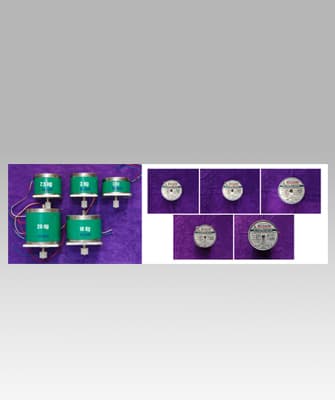
Sri Tulasi AC stepper motors target CNC, robotics, packaging, textile, and other precision motion systems. Electromagnetic design emphasises accurate stepping, consistent torque, and smooth operation under varying load and supply conditions. Frames, torque ratings, and step resolutions can be matched to mechanical trains and drives. Each motor is subjected to stringent testing to minimise vibration and maintenance while meeting industrial environmental expectations.
Key Features
- Accurate step positioning with optimised windings
- Multiple frame sizes and torque steps (3 / 7.5 / 10 / 20 kg classes cited)
- Low vibration and long service life
- Suited to open-loop and matched closed-loop drives
Where it is used in real life
Everyday situations—not just industry names—so you can picture whether this product is relevant for you.
Packaging and bottling lines
- Indexing a conveyor by exact degrees so each bottle stops under a filler nozzle—miss one step and you get spills, rejects, and line stoppages.
- Label applicators that advance a fixed distance per product without encoder feedback in simple machines where cost beats absolute precision.
- Carton erectors and case packers that need repeatable pinch-roller motion when cardboard thickness varies batch to batch.
Textile and garment machinery
- Yarn feeders or pattern wheels that must advance stitch-by-stitch in sync with the loom controller—visible defects mean entire rolls are downgraded.
- Automatic buttonhole and eyelet machines in garment units where mechanical cams were replaced by stepping for quicker style changeovers.
3D printers, CNC aux axes, and ticket kiosks
- Small Cartesian axes where open-loop stepping is still cost-effective when loads are modest and speeds are controlled—common in desktop fabrication and education kits.
- Banking and metro ticket vending: note stackers, card dispensers, and gate mechanisms that must move a fixed number of micro-steps per transaction.
Medical, lab automation, and electronics assembly
- Peristaltic pumps and sample carousels in analysers that move reagents to exact positions before cameras or sensors read results.
- Pick-and-place heads on small PCB lines or rework stations where vacuum nozzles step between pad arrays at controlled acceleration.