
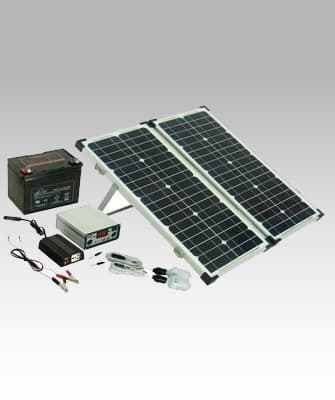
Solar inverters convert PV DC into usable AC while coordinating battery charging and grid/export rules where hybrid. Marketing text stresses pollution-free, silent operation, >90% efficiency, PWM charging with temperature compensation, dusk/dawn logic, and built-in protections for deep discharge, overload, short circuit, and overcharge. Indications cover load, low battery, charging, charged, overload, and fault. Mounting-system copy describes roof and ground structures for framed/frameless modules with adjustable tilt, corrosion-resistant aluminium and stainless hardware, and wind/snow ratings. Balance-of-system bullets list modules, inverter/PCU, mounting, meters, junction and distribution boxes, protections, cables, and documentation as a turnkey mindset.
Key Features
- DSP / microcontroller control
- Built-in three-stage intelligent solar charger
- True sine-wave or modified sine-wave options
- Hybrid mains/solar charging when configured
- PWM charging with temperature compensation
- Protection suite for battery and AC paths
Where it is used in real life
Everyday situations—not just industry names—so you can picture whether this product is relevant for you.
Homes and apartments with frequent power cuts
- Rooftop panels charge batteries through the day; the inverter runs lights, fans, fridge, and Wi-Fi at night without starting a noisy diesel generator.
- Apartments allowed limited export: self-consumption during daylight runs AC precool and geysers so evening peak demand from the grid is lower.
Farmhouses, poultry, and remote clinics
- Water pumps or vaccine fridges in villages where the grid is weak or absent for long stretches—solar-battery-inverter chains keep essentials running.
- Poultry sheds needing circulation fans 24×7 in summer—loss of airflow for an hour can kill a flock; hybrid inverters bridge grid gaps automatically.
Small offices and shops
- Hybrid units that prefer solar when the sun is out but seamlessly take mains when clouds roll in, trimming daytime electricity bills for computers and signage.
- Tailoring units, pharmacies, and dark stores where brief outages would spoil temperature-sensitive stock—inverters keep chillers and POS alive through blips.
Street lighting, gates, and outdoor security
- Perimeter lighting and CCTV on factory compounds where trenching grid power to every pole is expensive—solar street poles with integrated inverter/charger are common.
- Farm gates and boom barriers on long driveways: solar-backed control electronics still open when the remote rural feeder is down for maintenance.